Understanding the Basics of Gold Jewelry
Knowing how to tell if jewelry is real gold starts with understanding what real gold actually is. Pure gold is a soft, yellow metal. It has a unique shine that imitates sunlight. Because it does not tarnish or rust, people have valued it for thousands of years. However, pure gold is too soft for everyday wear. That is why most gold jewelry uses alloys. These are mixtures of gold and other metals like copper, silver, or zinc.
The amount of pure gold in a piece determines its karat rating. For example, 24-karat gold is nearly pure. In contrast, 14-karat gold contains only 58.3% gold. The rest is made up of other metals. This blend increases strength and durability. Each karat level affects color and value. Higher karat means more gold content. As a result, it also means higher cost. Recognizing these differences helps buyers make informed choices.
 Visual Inspection Techniques
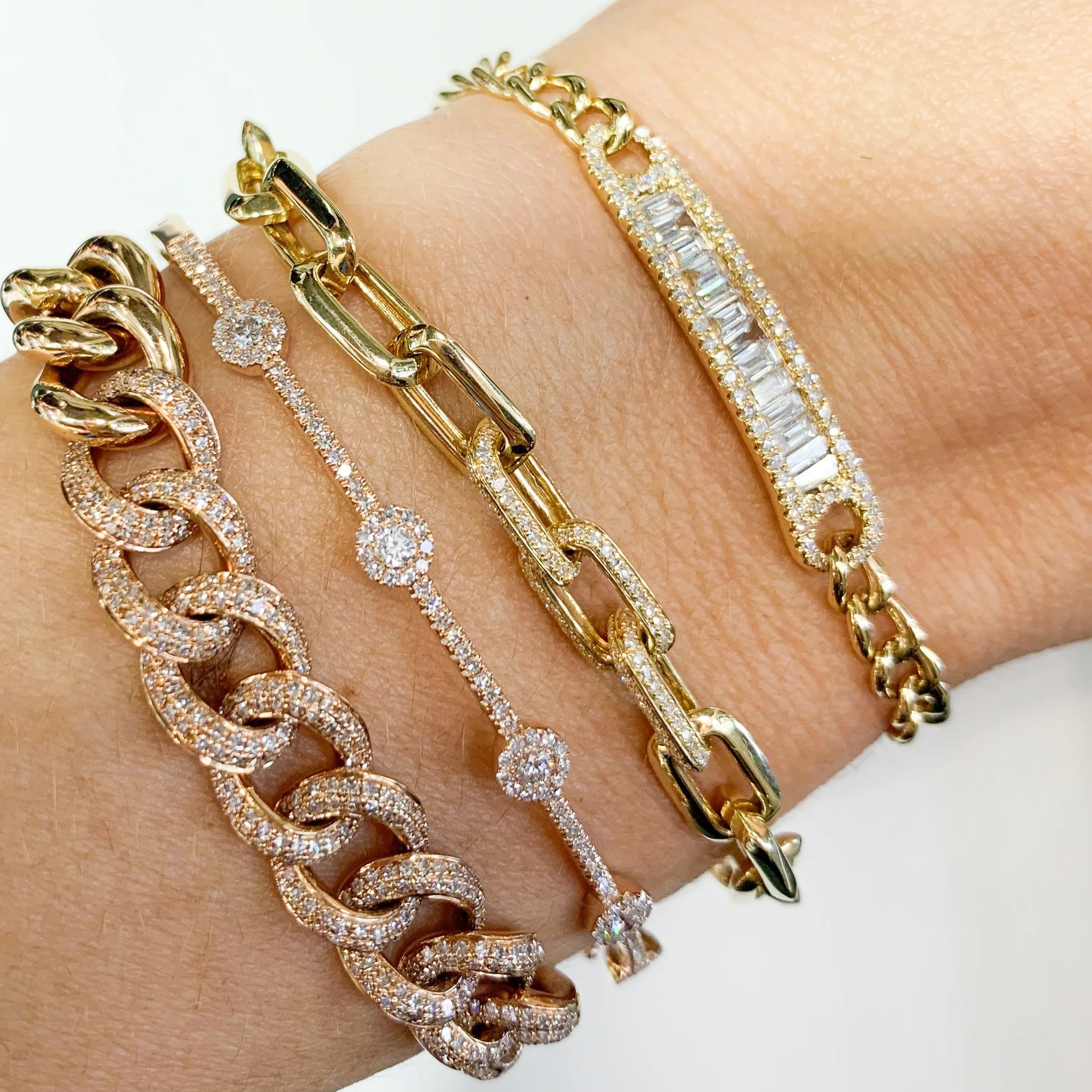
One of the first steps in learning how to tell if jewelry is real gold is performing a visual check. Start by looking for hallmarks or stamps. Most genuine gold items have small engravings on the inside of rings or clasps. These marks indicate karat values such as “14K,” “18K,” or “24K.” Some may also show “750” for 18-karat gold. Others might display “585” for 14-karat pieces. These numbers refer to parts per thousand of pure gold.
Next, observe the color and surface texture. Real gold maintains a consistent hue throughout. Fake gold often shows signs of discoloration over time. You may notice green or black spots near skin contact areas. Also, plated items can wear down, revealing base metal underneath. Check edges and corners carefully. If you see flaking or chipping, the item is likely not solid gold. Genuine gold does not peel or blister under normal use.
Magnet Test: A Quick and Easy Method
Another way to assess authenticity is the magnet test. Begin by holding a strong magnet close to the jewelry. Real gold is non-magnetic. Therefore, it will not attract to the magnet. If the piece sticks or pulls toward the magnet, it contains magnetic metals. These include iron, nickel, or steel. Such materials are common in counterfeit jewelry.
However, absence of magnetic attraction does not guarantee real gold. Some fake items use non-magnetic alloys like brass or aluminum. These still mimic the weight and look of gold. Thus, this test alone is not definitive. But it serves as an excellent first filter. It quickly rules out many fakes. Combine it with other methods for better accuracy. Always use a powerful neodymium magnet for reliable results.
 Acid Testing at Home
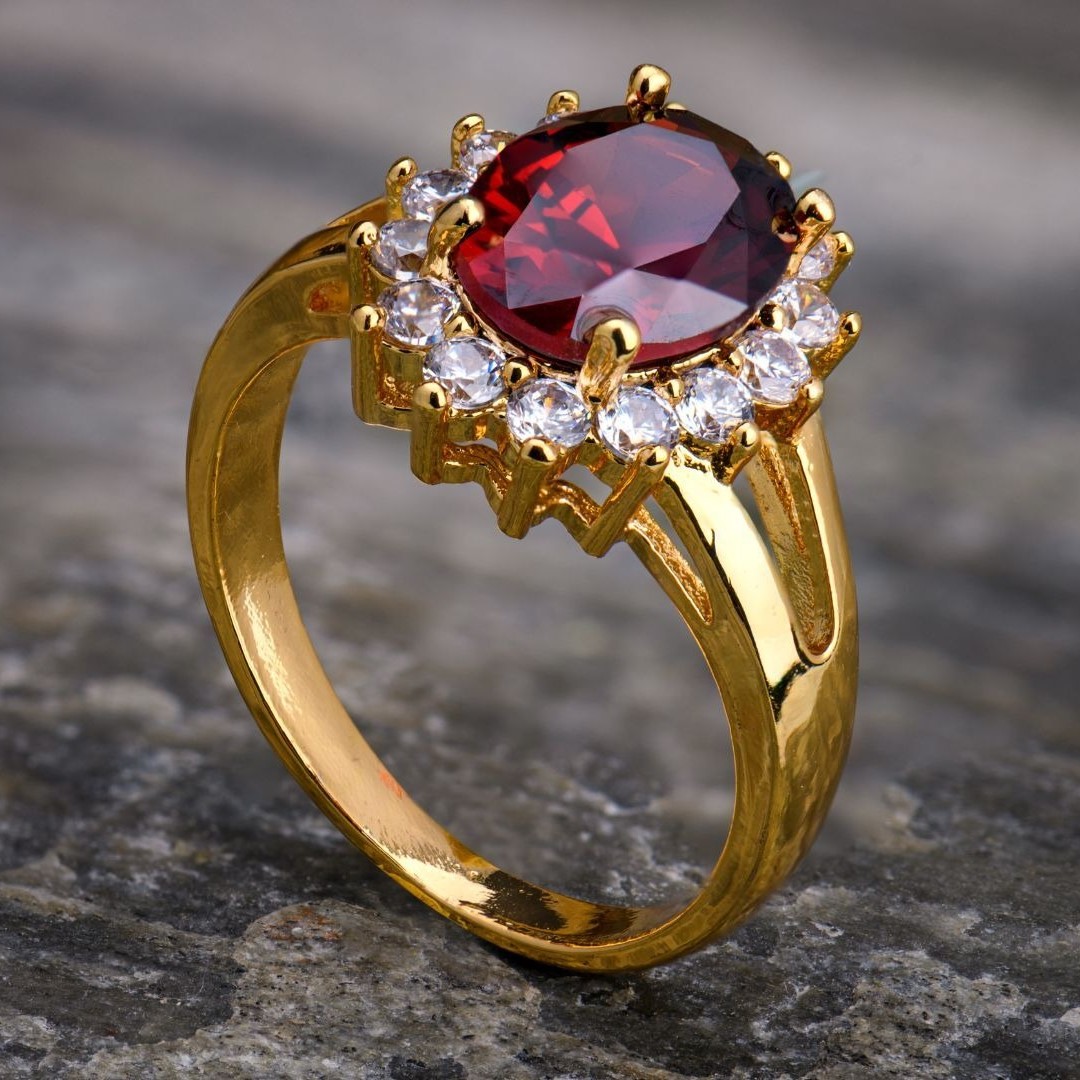
Acid testing is one of the most trusted ways to confirm gold content. This method involves applying nitric acid to a small scratch on the jewelry. First, find an inconspicuous spot. Then, gently rub the item on a testing stone to leave a streak. After that, place a drop of acid on the mark. Watch for any reaction.
If the streak dissolves or changes color, the piece is not real gold. For example, green residue suggests base metal. Milky reactions point to sterling silver beneath plating. On the other hand, no change indicates possible real gold. Different acid strengths correspond to various karats. Use the correct acid based on your expected purity. While effective, this test can damage the item. Handle chemicals with care and wear gloves. Consider professional help if unsure.
Density and Weight Analysis
Gold is a dense metal. That means even small pieces feel heavy in hand. To perform a weight check, compare the item to a known gold piece of similar size. If it feels lighter, it may be fake. Another approach uses water displacement. This method calculates density. Start by weighing the jewelry on a precise scale. Then, fill a graduated cylinder with water. Record the initial level.
Now, submerge the item fully. Note the new water level. The difference gives volume. Divide weight by volume to get density. Pure gold has a density around 19.3 g/cm³. Lower readings suggest mixed or fake materials. This test works best with solid items. Hollow or plated designs may give misleading results. Still, significant deviations raise red flags. Use this technique alongside others for confirmation.
 Professional Appraisal Options
Sometimes, home tests are not enough. When in doubt, seek a certified jeweler. Professionals use advanced tools for accurate assessment. One common device is the X-ray fluorescence (XRF) analyzer. It scans the surface without causing damage. The machine identifies elemental composition instantly. This reveals exact gold content and detects plating.
Appraisers also examine craftsmanship details. They study joints, engravings, and finishing quality. Poor workmanship often signals counterfeit goods. Experts can distinguish between vintage gold and modern replicas. Their reports add value for insurance or resale. Investing in an appraisal protects your purchase. It gives peace of mind when buying high-value items. Always choose accredited services with good reviews.
Common Signs of Fake Gold Jewelry
Counterfeit gold jewelry often hides behind flashy appearances. One red flag is overly bright or orange coloring. Real gold has a rich but subtle glow. Fake versions may appear unnaturally shiny. Another clue is price. If a deal seems too good to be true, it probably is. High-karat gold cannot sell extremely low without compromise.
Look for wear patterns. Plated items show base metal where friction occurs. Rings and bracelets often reveal this at edges. Also, listen to the sound. Gently tap real gold against glass. It produces a clear, ringing tone. Fake gold makes a dull thud. Smell can help too. Real gold is odorless. Fakes sometimes emit a metallic or chemical scent. All these signs support your efforts to learn how to tell if jewelry is real gold.
 Frequently Asked Questions About Real Gold Identification
Can I use vinegar to test gold?
Yes, some people try the vinegar test. Pour white vinegar over the jewelry. Observe any reaction. Real gold will not change. Fake gold may darken or fizz. However, this method is unreliable. Vinegar is weak and may not affect certain alloys. It could damage stones or settings. Therefore, experts do not recommend it. Stick to proven techniques instead.
Still, the test is harmless for quick screening. It costs nothing and takes seconds. Just remember its limitations. Do not rely on vinegar alone. Combine it with visual checks or professional opinions. Better methods exist for confident results.
Does real gold turn green on the skin?
No, real gold does not cause green discoloration. This myth confuses gold with cheaper metals. Copper and nickel react with sweat and lotions. These reactions create green stains on skin. Since real gold resists corrosion, it stays inert. However, low-karat gold contains alloys. Some blends include reactive metals. That is why 10K or 14K pieces might rarely cause slight tints.
Even then, the effect is uncommon. Green marks usually mean the item is plated or fake. Coatings wear off and expose underlying metals. Those metals then interact with your body chemistry. To avoid irritation, choose higher karat gold. Or opt for hypoallergenic designs. If your skin turns green, reconsider the jewelry’s authenticity.
How can I verify gold without damaging it?
Non-destructive testing includes magnet checks and visual inspections. You can also use electronic testers. These devices send a mild current through the surface. They measure conductivity to estimate gold content. Another option is ultrasonic testing. It analyzes internal structure using sound waves. Both methods preserve the item’s condition.
Also, consult a licensed appraiser. They use XRF guns that scan without scratching. These tools provide detailed reports. They detect layers and alloy ratios accurately. While home kits exist, professional analysis remains the gold standard. Paying for an expert opinion prevents costly mistakes. Preserve both your jewelry and confidence.
Is stamped jewelry always real gold?
Not necessarily. Hallmarks can be forged. Some counterfeiters stamp fake “14K” or “750” marks. These imitations fool untrained eyes. Always cross-check the stamp with other tests. Verify consistency in color, weight, and magnetism. Discrepancies suggest fraud.
Also, older or handmade pieces may lack stamps. This does not mean they are fake. Many vintage items were never marked. Artisan jewelers sometimes skip engraving. In such cases, professional evaluation becomes essential. Never assume authenticity based on a stamp alone. Combine multiple verification steps.
 Conclusion
Learning how to tell if jewelry is real gold empowers every buyer. It protects investments and builds confidence. Whether shopping online or in stores, knowledge matters. Use simple tests like magnets and visual checks. Apply more advanced methods when needed. Seek expert help for valuable purchases.
Real gold holds lasting worth. It transcends trends and retains value over time. With careful inspection, anyone can identify authentic pieces. Stay alert for warning signs. Trust reliable techniques over myths. Ultimately, understanding how to tell if jewelry is real gold ensures smarter decisions. It turns uncertainty into assurance—one test at a time.